How Bunions Affect the Feet

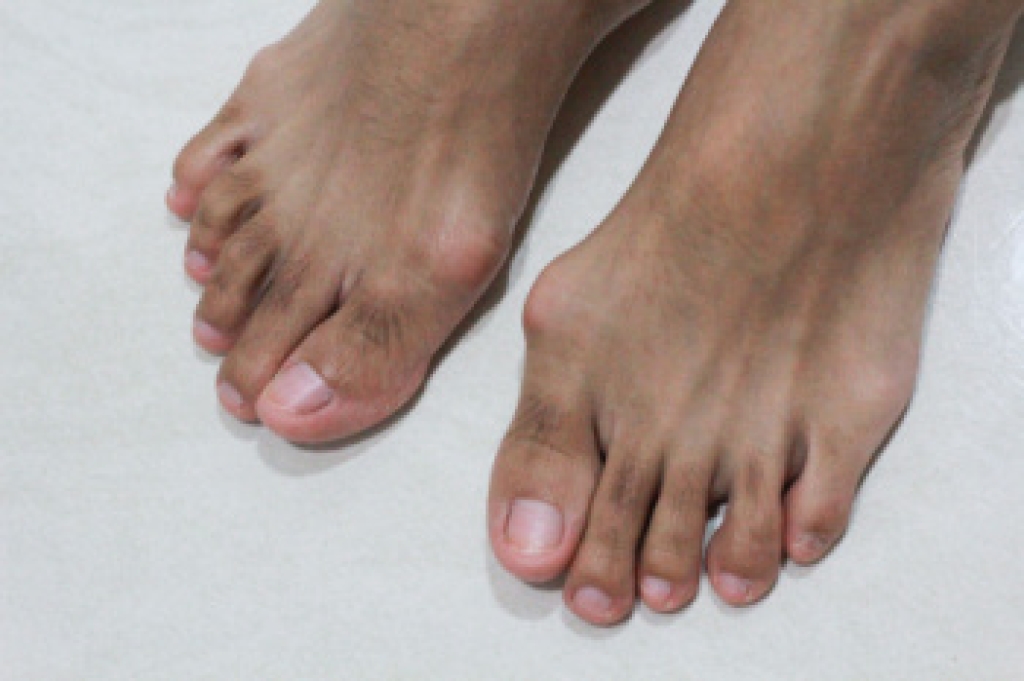
A bunion is a common foot deformity that develops when the joint at the base of the big toe shifts out of alignment. The big toe may gradually move toward the smaller toes while the joint becomes more prominent along the inside of the foot. Bunions can form slowly, and early changes may not cause much discomfort. Genetics, foot structure, and long-term pressure from footwear may increase the risk. Narrow shoes can make symptoms more noticeable, but they are not the only cause.

Bunion symptoms can vary from person to person. A visible bump is often the first sign. Pain may develop around the big toe joint, especially while walking or standing. Some people notice redness, swelling, or irritation where shoes rub against the bunion. As the toe becomes less aligned, the foot may distribute weight differently. This can contribute to imbalance and an impaired gait. You may change how you step to avoid pressure, which can place extra stress on other parts of the foot.

A podiatrist can examine the foot, review your symptoms, and assess alignment and movement. X-rays may be used to evaluate the bones and determine the severity of the deformity. Treatment often begins with wearing better-fitting shoes, protective padding, and activity adjustments. A podiatrist may also recommend custom orthotics to improve support and pressure distribution. If pain remains severe or the bunion progresses, surgical correction may be considered. The appropriate procedure depends on the bunion and surrounding joints.

Getting attention early can help you understand what is causing your foot pain and what treatment options may be appropriate. A podiatrist can monitor changes and create a plan based on your needs. If you have a bunion, it is suggested that you consult a podiatrist for effective relief and management solutions. 

If you are suffering from bunion pain, contact Nadia Sadeghi, DPM of Lincoln Park Foot and Ankle Specialists. Our doctor can provide the care you need to keep you pain-free and on your feet.

What Is a Bunion?

Bunions are painful bony bumps that usually develop on the inside of the foot at the joint of the big toe. As the deformity increases over time, it may become painful to walk and wear shoes. Women are more likely to exacerbate existing bunions since they often wear tight, narrow shoes that shift their toes together. Bunion pain can be relieved by wearing wider shoes with enough room for the toes.

Causes

  • Genetics – some people inherit feet that are more prone to bunion development
  • Inflammatory Conditions - rheumatoid arthritis and polio may cause bunion development

Symptoms

  • Redness and inflammation
  • Pain and tenderness
  • Callus or corns on the bump
  • Restricted motion in the big toe

In order to diagnose your bunion, your podiatrist may ask about your medical history, symptoms, and general health. Your doctor might also order an x-ray to take a closer look at your feet. Nonsurgical treatment options include orthotics, padding, icing, changes in footwear, and medication. If nonsurgical treatments don’t alleviate your bunion pain, surgery may be necessary.

If you have any questions, please feel free to contact our office located in Chicago, IL . We offer the newest diagnostic and treatment technologies for all your foot care needs.

Read more about Bunions

Finding the Right Shoe Fit for Healthy Feet

Properly fitting shoes can make a major difference in everyday foot comfort. Shoes that are too tight may squeeze the toes and create pressure points, while shoes that are too loose can allow excessive movement inside the shoe. Wearing the wrong size regularly may contribute to blisters, corns, and painful foot problems. A good shoe should feel comfortable from the beginning and provide enough room for the toes to move naturally. The heel should stay secure without rubbing. The arch area should feel supported without creating uncomfortable pressure. Choosing the right shoe size is especially important if you already experience foot pain or have a condition that changes your foot shape.

Start by tracing your foot on a piece of paper while standing. Measure the length and width of the outline to help determine your shoe size. Measure both feet because one foot may be larger than the other. Shop for shoes in the afternoon rather than at night, because feet often become larger during the day. Wear the type of socks you normally use with the shoes. Try on both shoes and walk around the store before buying them.  Do not assume shoes will stretch enough to become comfortable later.


Wearing improperly sized shoes can contribute to several foot conditions. Wearing tight shoes may increase pressure that contributes to bunion, hammertoe, and ingrown toenail pain. A podiatrist can examine your feet and identify problems related to footwear. Treatment may include addressing pressure areas, recommending supportive shoes, and treating irritation or inflammation. If pain is persistent, the podiatrist may use imaging tests to evaluate underlying bone or joint concerns.


The right shoes should support your feet without restricting natural movement. Pay attention to new discomfort rather than waiting for a small problem to become severe. If you have foot conditions from wearing the wrong size shoes, it is suggested that you consult a podiatrist for effective treatment solutions and guidance on how to choose the right shoes. 

Finding a properly-fitting shoe is important in reducing injuries and preventing foot problems. For more information about treatment, contact Nadia Sadeghi, DPM from Lincoln Park Foot and Ankle Specialists. Our doctor will treat your foot and ankle needs.

Proper Shoe Fitting

A common concern when it comes to foot health, having properly fitted shoes can help prevent injuries to the foot. Out feet affect our posture and gait, which in turn affects the biomechanics and overall bodily structure. With 33 joints, 26 bones, and over 100 ligaments, the potential for serious injury is much greater than one realizes. Although the feet cease growth in adulthood, they still change shape as they mature. Here are some factors to consider when it comes to investing in proper fitting shoes:

  • Be sure the shoes fit correctly right away
  • Ensure the ball of your foot fits comfortably in the widest portion of the shoes
  • Even though they may look fashionable, improper fitting shoes can either create adverse conditions or exacerbate existing ones you may already have
  • Walk along a carpeted surface to ensure the shoes comfortably fit during normal activity

Keeping in mind how shoes fit the biomechanics of your body, properly-fitting shoes are vitally important. Fortunately, it is not difficult to acquire footwear that fits correctly. Be sure to wear shoes that support the overall structure of your body. Do your feet a favor and invest in several pairs of well-fitted shoes today.

If you have any questions, please feel free to contact our office located in Chicago, IL . We offer the newest diagnostic and treatment technologies for all your foot care needs.

Read more about Getting the Right Shoe Size

Night Splints Can Ease Morning Heel Pain

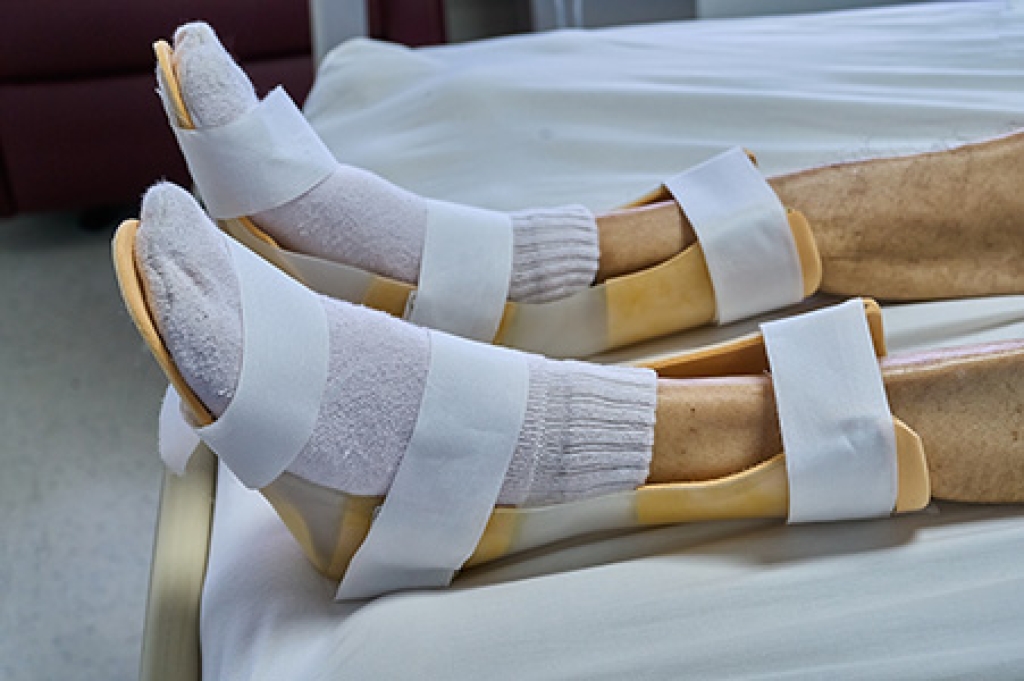
Night splints can reduce morning heel pain caused by plantar fasciitis or a tight Achilles tendon. While a person sleeps, the feet usually point downward. This position allows the plantar fascia, a strong band along the bottom of the foot, and the calf muscles to shorten. When the person stands, these tissues stretch suddenly and can hurt. A night splint holds the foot at a gentle upward angle, keeping these areas stretched through the night. This can make the first steps of the day less painful.

The effectiveness of a night splint depends on the cause of pain and consistent use. Research suggests that splints help some patients with plantar fasciitis, especially when symptoms have lasted several months. However, they do not provide the same relief for everyone. Comfort also affects success. A splint that feels bulky, hot, or too tight can disturb sleep and be difficult to use regularly. Designs include rigid boots, softer braces, and straps that pull the toes upward. A podiatrist can recommend a suitable style and check that it holds the foot correctly without placing too much pressure on the skin.

A night splint works best as one part of a treatment plan. A podiatrist can examine the foot, identify the source of pain, and determine whether a splint is appropriate. Treatment also includes custom orthotics, wearing supportive shoes, or activity changes. The podiatrist can adjust the splint angle and explain how long it should be used each night. Numbness, worsening pain, or skin irritation should not be ignored. People with diabetes, poor circulation, or a reduced feeling in their feet need professional guidance before using one. Night splints require patience and consistent use, but they can offer meaningful relief for selected patients. If you have foot pain, it is suggested that you schedule an appointment with a podiatrist who can determine if night splints are right for you.

Many people suffer from bouts of heel pain. For more information, contact Nadia Sadeghi, DPM of Lincoln Park Foot and Ankle Specialists. Our doctor can provide the care you need to keep you pain-free and on your feet.

Causes of Heel Pain

Heel pain is often associated with plantar fasciitis. The plantar fascia is a band of tissues that extends along the bottom of the foot. A rip or tear in this ligament can cause inflammation of the tissue.

Achilles tendonitis is another cause of heel pain. Inflammation of the Achilles tendon will cause pain from fractures and muscle tearing. Lack of flexibility is also another symptom.

Heel spurs are another cause of pain. When the tissues of the plantar fascia undergo a great deal of stress, it can lead to ligament separation from the heel bone, causing heel spurs.

Why Might Heel Pain Occur?

  • Wearing ill-fitting shoes                
  • Wearing non-supportive shoes
  • Weight change           
  • Excessive running

Treatments

Heel pain should be treated as soon as possible for immediate results. Keeping your feet in a stress-free environment will help. If you suffer from Achilles tendonitis or plantar fasciitis, applying ice will reduce the swelling. Stretching before an exercise like running will help the muscles. Using all these tips will help make heel pain a condition of the past.

If you have any questions, please feel free to contact our office located in Chicago, IL . We offer the newest diagnostic and treatment technologies for all your foot care needs.

Read more about Heel Pain

Connect With Us

scroll-to-top