
If you are suffering from tenderness, pain, or stiffness in the joints of your feet or ankles, call us to schedule an appointment.
If you are suffering from tenderness, pain, or stiffness in the joints of your feet or ankles, call us to schedule an appointment.
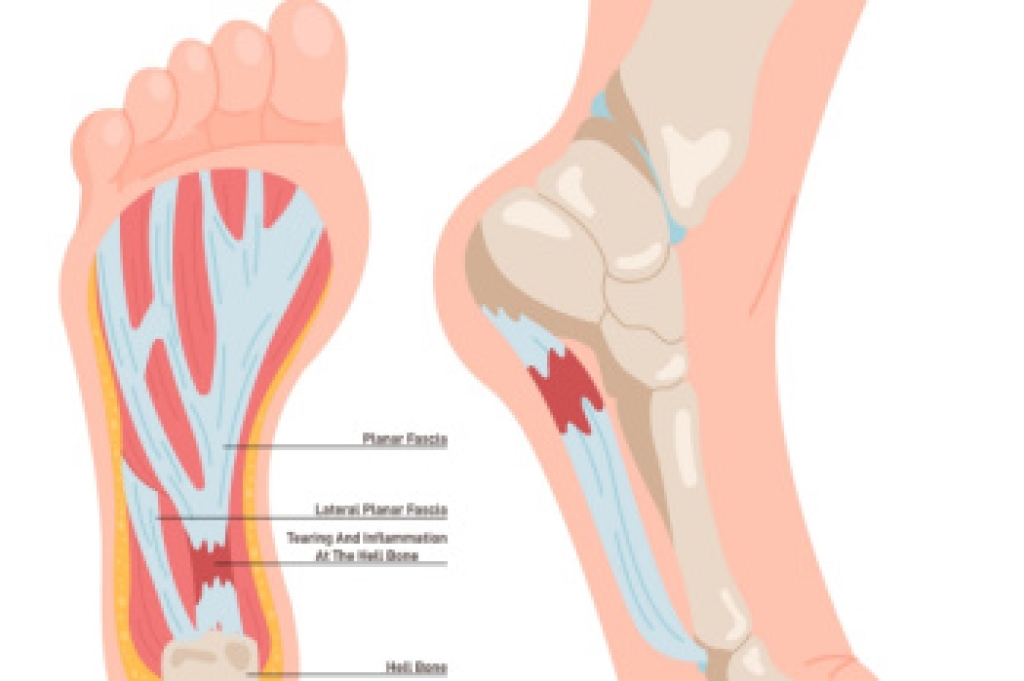
Plantar fasciitis is caused by inflammation of the plantar fascia, a thick band of tissue that supports the arch and connects the heel to the toes. It develops when excessive strain creates small tears in the tissue. The most noticeable symptom is heel pain, especially with the first steps in the morning or after periods of rest. Discomfort may improve with movement, but often returns after prolonged standing or activity. Risk factors include flat feet, high arches, obesity, improper footwear, and occupations that require long hours of standing on hard surfaces. A podiatrist can diagnose the condition and provide customized treatment to reduce pain and promote healing. If you have heel pain, it is suggested that you consult a podiatrist who can diagnose the problem and offer appropriate treatment.
Plantar fasciitis is a common foot condition that is often caused by a strain injury. If you are experiencing heel pain or symptoms of plantar fasciitis, contact Nadia Sadeghi, DPM from Lincoln Park Foot and Ankle Specialists. Our doctor can provide the care you need to keep you pain-free and on your feet.
What Is Plantar Fasciitis?
Plantar fasciitis is one of the most common causes of heel pain. The plantar fascia is a ligament that connects your heel to the front of your foot. When this ligament becomes inflamed, plantar fasciitis is the result. If you have plantar fasciitis you will have a stabbing pain that usually occurs with your first steps in the morning. As the day progresses and you walk around more, this pain will start to disappear, but it will return after long periods of standing or sitting.
What Causes Plantar Fasciitis?
There are some risk factors that may make you more likely to develop plantar fasciitis compared to others. The condition most commonly affects adults between the ages of 40 and 60. It also tends to affect people who are obese because the extra pounds result in extra stress being placed on the plantar fascia.
Prevention
There are a variety of treatment options available for plantar fasciitis along with the pain that accompanies it. Additionally, physical therapy is a very important component in the treatment process. It is important that you meet with your podiatrist to determine which treatment option is best for you.
If you have any questions, please feel free to contact our office located in Chicago, IL . We offer the newest diagnostic and treatment technologies for all your foot care needs.
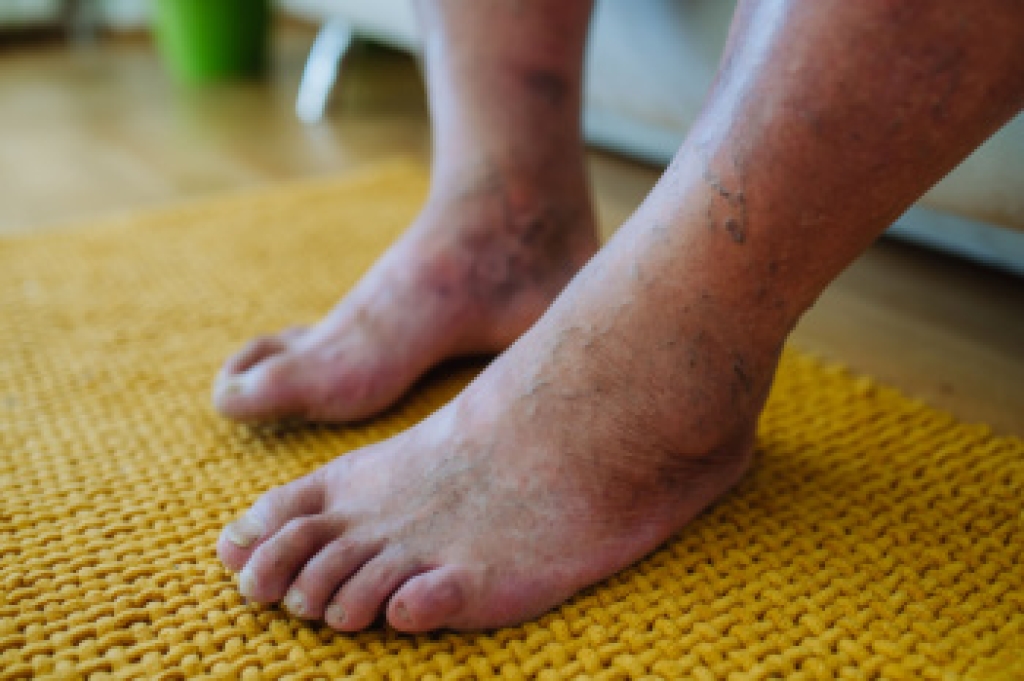
Diabetic foot care focuses on protecting the feet from complications caused by long-term diabetes, which can damage nerves and reduce circulation. These changes are often caused by prolonged elevated blood sugar levels that affect blood vessels and sensation. Symptoms include numbness, burning pain, slow healing sores, or frequent infections. The feet may look dry, cracked, or discolored, and they may feel painful in some areas while feeling very little in others. A podiatrist plays an important role by starting with a thorough examination to evaluate skin health, circulation, nerve response, and foot structure. Diagnostic testing may be used to identify risks early. Treatment often begins with preventive care, such as regular monitoring, nail and skin care, and footwear guidance, then moves into wound care and infection management. Consistent podiatric care helps reduce the risk of ulcers and serious complications. If you have diabetic foot care needs, it is suggested that you make an appointment with a podiatrist.
Diabetic foot care is important in preventing foot ailments such as ulcers. If you are suffering from diabetes or have any other concerns about your feet, contact Nadia Sadeghi, DPM from Lincoln Park Foot and Ankle Specialists. Our doctor can provide the care you need to keep you pain-free and on your feet.
Diabetic Foot Care
Diabetes affects millions of people every year. The condition can damage blood vessels in many parts of the body, especially the feet. Because of this, taking care of your feet is essential if you have diabetes, and having a podiatrist help monitor your foot health is highly recommended.
The Importance of Caring for Your Feet
Patients with diabetes should have their doctor monitor their blood levels, as blood sugar levels play such a huge role in diabetic care. Monitoring these levels on a regular basis is highly advised.
It is always best to inform your healthcare professional of any concerns you may have regarding your feet, especially for diabetic patients. Early treatment and routine foot examinations are keys to maintaining proper health, especially because severe complications can arise if proper treatment is not applied.
If you have any questions, please feel free to contact our office located in Chicago, IL . We offer the newest diagnostic and treatment technologies for all your foot care needs.
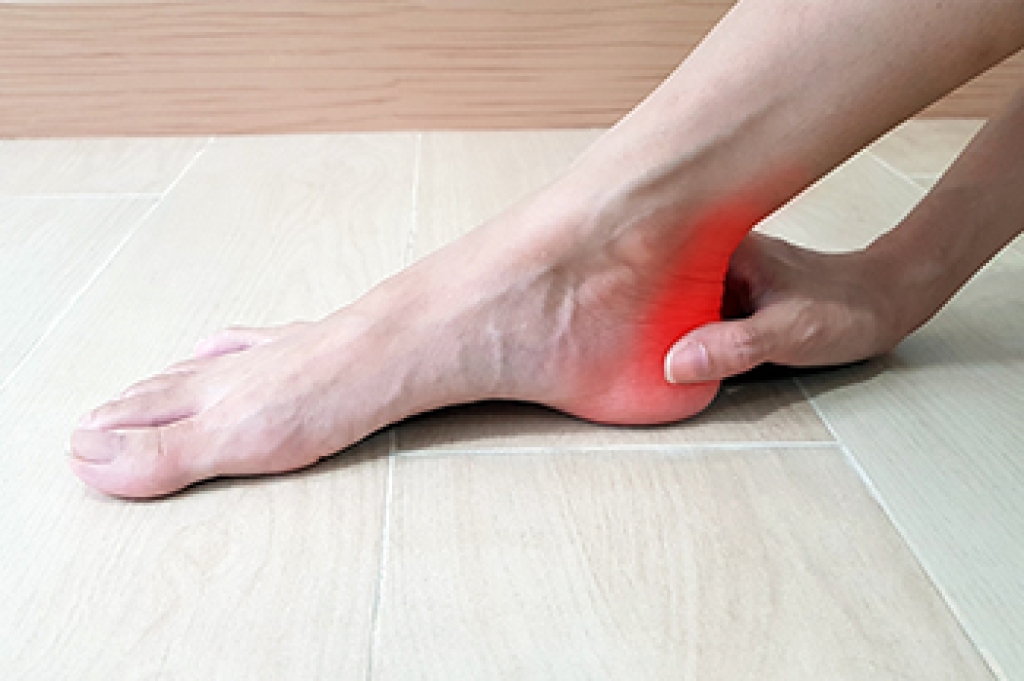
Athletes who rely on running, jumping, or sudden changes in direction may experience pain in the Achilles tendon, the strong band connecting the calf muscles to the heel. This condition often appears as swelling or thickening along the back of the heel and can feel stiff, tender, or sharp during activity. Common causes include overuse, sudden increases in training intensity, tight calf muscles, or improper footwear. Symptoms may worsen with activity and improve with rest, yet persistent pain can limit performance. A podiatrist begins with a detailed exam and imaging when needed to assess tendon integrity and rule out tears. Treatment may include stretching and strengthening exercises to restore flexibility and support, orthotics or heel lifts to reduce strain, and activity modification. Early intervention can prevent further injury and speed recovery. If you have Achilles tendon pain, it is suggested that you make an appointment with a podiatrist.
Achilles tendon injuries need immediate attention to avoid future complications. If you have any concerns, contact Nadia Sadeghi, DPM of Lincoln Park Foot and Ankle Specialists. Our doctor can provide the care you need to keep you pain-free and on your feet.
What Is the Achilles Tendon?
The Achilles tendon is a tendon that connects the lower leg muscles and calf to the heel of the foot. It is the strongest tendon in the human body and is essential for making movement possible. Because this tendon is such an integral part of the body, any injuries to it can create immense difficulties and should immediately be presented to a doctor.
What Are the Symptoms of an Achilles Tendon Injury?
There are various types of injuries that can affect the Achilles tendon. The two most common injuries are Achilles tendinitis and ruptures of the tendon.
Achilles Tendinitis Symptoms
Rupture Symptoms
Treatment and Prevention
Achilles tendon injuries are diagnosed by a thorough physical evaluation, which can include an MRI. Treatment involves rest, physical therapy, and in some cases, surgery. However, various preventative measures can be taken to avoid these injuries, such as:
If you have any questions please feel free to contact our office located in Chicago, IL . We offer the newest diagnostic tools and technology to treat your foot and ankle needs.
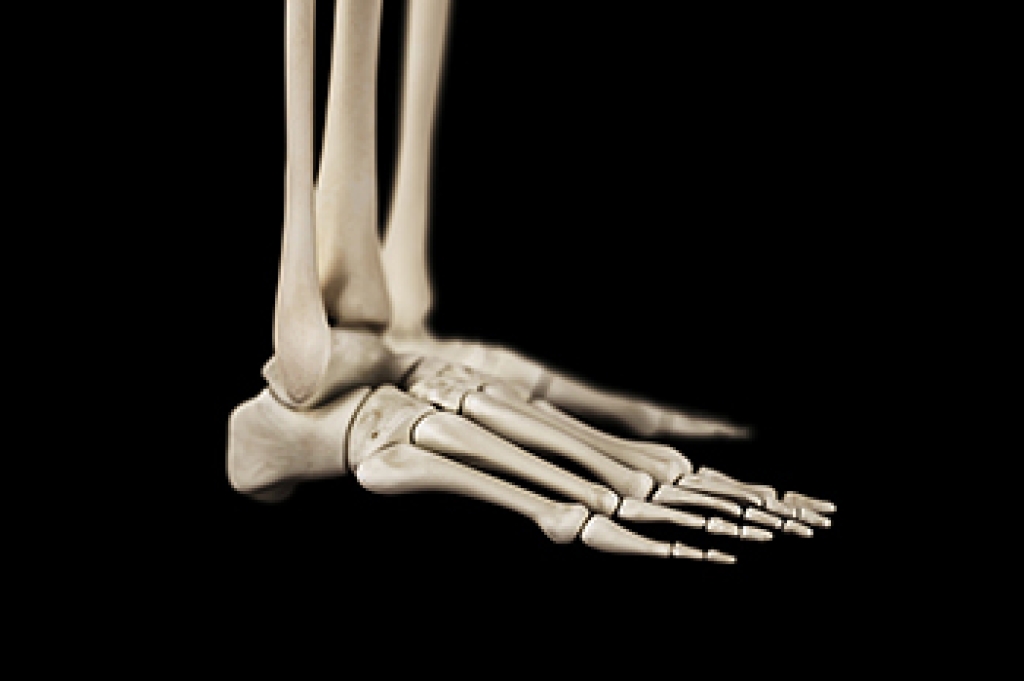
Foot and ankle anatomy plays a vital role in movement, balance, and daily comfort. The structure includes joints, tarsal bones, metatarsals, and phalanges that work together to support body weight and allow smooth motion. Ligaments connect these bones and help create stability by guiding proper alignment during walking and standing. When an imbalance occurs, stress may be placed on certain joints or tissues, leading to foot pain, inflammation, or difficulty with mobility. Problems such as heel pain, arch strain, and joint discomfort can develop over time. If you have foot pain, it is suggested that you consult a podiatrist who can assess foot structure, identify imbalance, and provide treatment options such as custom orthotics, supportive care, or other targeted treatments.
If you have any concerns about your feet, contact Nadia Sadeghi, DPM from Lincoln Park Foot and Ankle Specialists. Our doctor can provide the care you need to keep you pain-free and on your feet.
Biomechanics in Podiatry
Podiatric biomechanics is a particular sector of specialty podiatry with licensed practitioners who are trained to diagnose and treat conditions affecting the foot, ankle and lower leg. Biomechanics deals with the forces that act against the body, causing an interference with the biological structures. It focuses on the movement of the ankle, the foot and the forces that interact with them.
A History of Biomechanics
Modern technological improvements are based on past theories and therapeutic processes that provide a better understanding of podiatric concepts for biomechanics. Computers can provide accurate information about the forces and patterns of the feet and lower legs.
Understanding biomechanics of the feet can help improve and eliminate pain, stopping further stress to the foot.
If you have any questions please feel free to contact our office located in Chicago, IL . We offer the newest diagnostic and treatment technologies for all your foot and ankle needs.
Connect With Us
