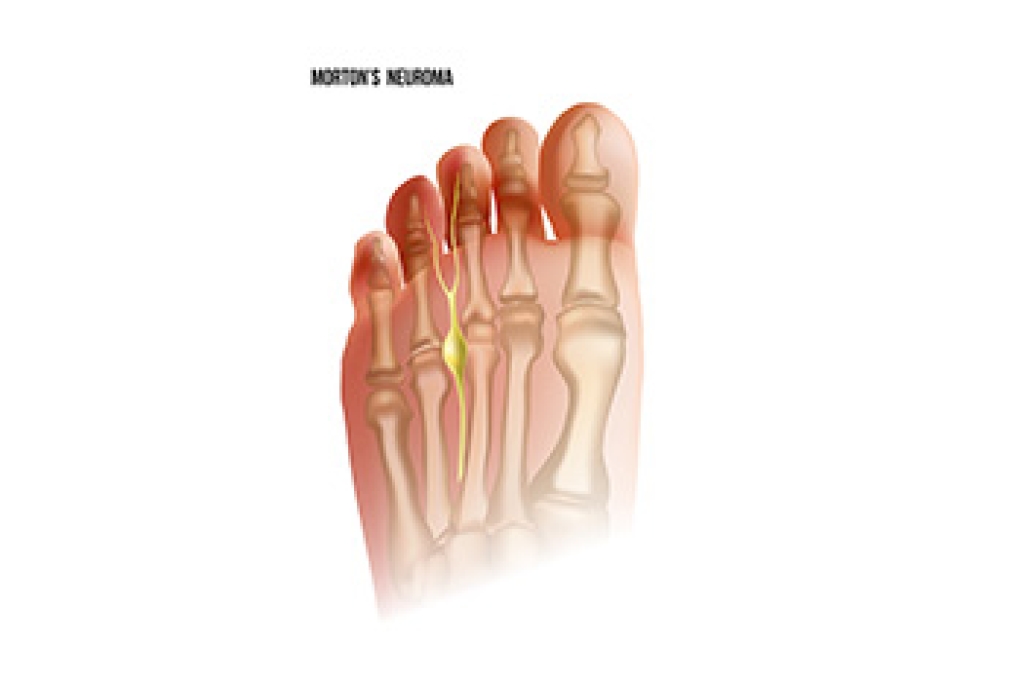
Burning Pain Between the Toes

Morton’s neuroma develops when tissue surrounding a nerve in the ball of the foot becomes thickened and irritated. Pain is most commonly felt between the third and fourth toes. This irritation can cause burning pain, tingling, numbness, or the feeling that there is a pebble inside the shoe. Some patients notice sharp shooting pain that worsens while walking, standing for long periods of time, or wearing tight or narrow footwear. The front of the foot may feel swollen or sensitive, even when there is little visible change. Repeated pressure on the nerve from high heels, certain sports, or abnormal foot structure can contribute to the problem. A podiatrist can evaluate the symptoms, examine the foot, and determine whether the nerve is compressed or inflamed. Treatment may include footwear changes, targeted exercises, and injections. If you have symptoms of Morton’s neuroma, it is suggested that you schedule an appointment with a podiatrist for effective relief and treatment solutions.

Morton’s neuroma is a very uncomfortable condition to live with. If you think you have Morton’s neuroma, contact Nadia Sadeghi, DPM of Lincoln Park Foot and Ankle Specialists. Our doctor will attend to all of your foot care needs and answer any of your related questions.  

Morton’s Neuroma

Morton's neuroma is a painful foot condition that commonly affects the areas between the second and third or third and fourth toe, although other areas of the foot are also susceptible. Morton’s neuroma is caused by an inflamed nerve in the foot that is being squeezed and aggravated by surrounding bones.

What Increases the Chances of Having Morton’s Neuroma?

  • Ill-fitting high heels or shoes that add pressure to the toe or foot
  • Jogging, running or any sport that involves constant impact to the foot
  • Flat feet, bunions, and any other foot deformities

Morton’s neuroma is a very treatable condition. Orthotics and shoe inserts can often be used to alleviate the pain on the forefront of the feet. In more severe cases, corticosteroids can also be prescribed. In order to figure out the best treatment for your neuroma, it’s recommended to seek the care of a podiatrist who can diagnose your condition and provide different treatment options.

If you have any questions, please feel free to contact our office located in Chicago, IL . We offer the newest diagnostic and treatment technologies for all your foot care needs.

Read more about Morton's Neuroma

Simple Ways to Improve Foot Comfort During the Workday

Foot comfort at work is important for staying active and feeling your best throughout the day. Wearing the right shoes with proper support and cushioning can reduce strain and prevent discomfort. Gentle exercises that improve flexibility can help keep muscles and joints relaxed. Good foot hygiene, including keeping feet clean and dry, supports overall skin health. Home care, such as moisturizing and checking for any changes, can prevent small issues from becoming larger concerns. Additionally, taking time to elevate the feet after a long day may help reduce swelling and fatigue. A podiatrist can provide personalized recommendations, evaluate any concerns, and offer treatments to improve comfort. If you have foot pain during or from your workday, it is suggested that you consult a podiatrist who can offer effective relief, treatment, and prevention solutions.

While working on the feet, it is important to take the proper care of them. For more information about working on your feet, contact Nadia Sadeghi, DPM from Lincoln Park Foot and Ankle Specialists. Our doctor will treat your foot and ankle needs.

Working on Your Feet

Standing on your feet for long periods of time can cause stress and pain in your feet. Your whole body may experience change in terms of posture, back pain, bunions, callouses and or plantar warts. There are ways to avoid these conditions with proper foot care, smart choices and correct posture.

Positive Changes

Negative heeled shoe – Choosing this shoe type places the heel slightly lower than the ball of the foot. These are great for overall foot health. Find shoes that fit you correctly.

Go barefoot – Our feet were not designed to be enclosed for all hours of the day. Try to periodically expose your feet to air.

Eliminate Pain

Foot Exercises – Performing simple exercises, incorporating yoga and doing stretches are beneficial. This will allow increased blood flow to the area and muscles of the foot.

Achilles tendon – Stretching the foot out flat on the floor will relax the calf muscles and tendon. These exercises can be performed almost anywhere. Make sure you add these exercises to your daily regimen. 

With a little bit of this information and knowing more about foot health, you will notice changes. Foot stretches and proper footwear will help with pain and prevent further issues.

If you have any questions please contact our office located in Chicago, IL . We offer the newest diagnostic and treatment technologies for all your foot and ankle needs.

Read more about How to Handle a Long Work Day on Your Feet

Various Causes of Toenail Problems

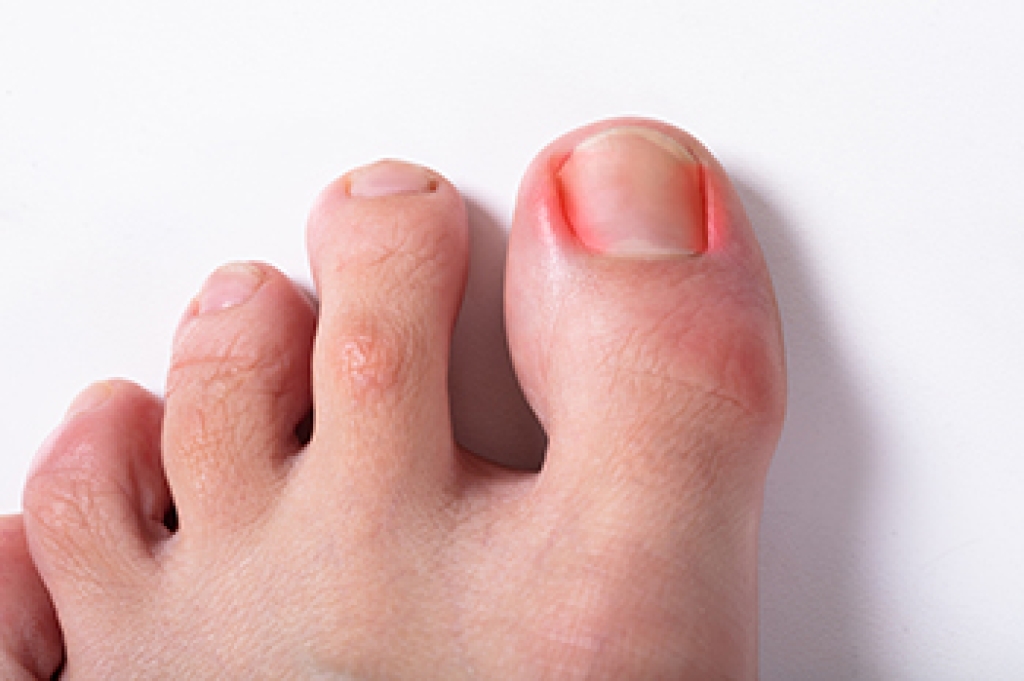
Toenail problems can develop for several reasons, including infection, improper nail growth, or injury to the nail unit. Common issues include fungal infection, ingrown toenails where the nail edge grows into the surrounding skin, and trauma from repeated pressure or direct injury. The toenail helps protect the tip of the toe and supports balance, but damage or infection can change its appearance and function. Nails may become thick, discolored, painful, or misshapen, and the surrounding skin may appear red, swollen, or tender. In some cases, drainage or lifting of the nail can occur. A podiatrist can evaluate the nail through an examination and determine the underlying cause. Treatment may include antifungal medications, proper nail care techniques, minor procedures for ingrown nails, and guidance on footwear to prevent further injury. If you are experiencing a toenail problem, it is suggested that you schedule an appointment with a podiatrist for an accurate diagnose and appropriate treatment.

Ingrown toenails can become painful if they are not treated properly. For more information about ingrown toenails, contact Nadia Sadeghi, DPM of Lincoln Park Foot and Ankle Specialists. Our doctor can provide the care you need to keep you pain-free and on your feet.

Ingrown Toenails

Ingrown toenails occur when a toenail grows sideways into the bed of the nail, causing pain, swelling, and possibly infection.

Causes

  • Bacterial infections
  • Improper nail cutting such as cutting it too short or not straight across
  • Trauma to the toe, such as stubbing, which causes the nail to grow back irregularly
  • Ill-fitting shoes that bunch the toes too close together
  • Genetic predisposition

Prevention

Wearing proper fitting shoes and using proper cutting techniques will also help decrease your risk of developing ingrown toenails.

Treatment

Ingrown toenails are a very treatable foot condition. In minor cases, soaking the affected area in salt or antibacterial soaps will not only help with the ingrown nail itself, but also help prevent any infections from occurring. In more severe cases, surgery is an option. In either case, speaking to your podiatrist about this condition will help you get a better understanding of specific treatment options that are right for you.

If you have any questions, please feel free to contact our office located in Chicago, IL . We offer the newest diagnostic and treatment technologies for all your foot care needs.
Read more about Ingrown Toenail Care

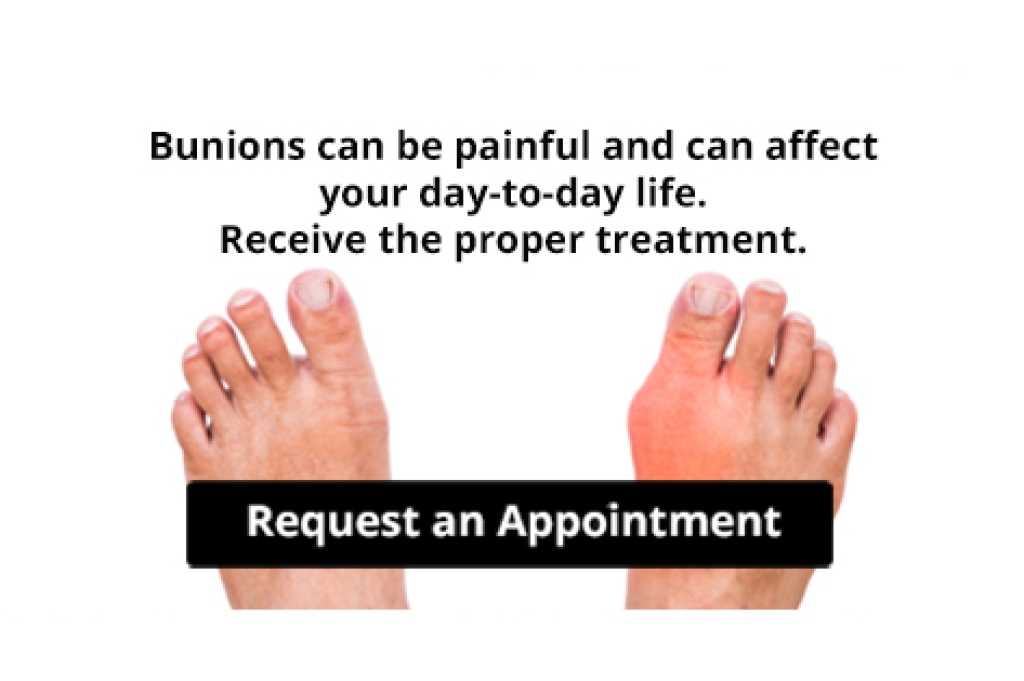
Are Bunions Affecting Your Everyday Life?

Have you noticed a bony protrusion on the side of your big toe? If so, you may have developed the foot condition known as a bunion. Don't let bunions interfere with your daily activities.

Getting Back to Sports After a Toe Fracture

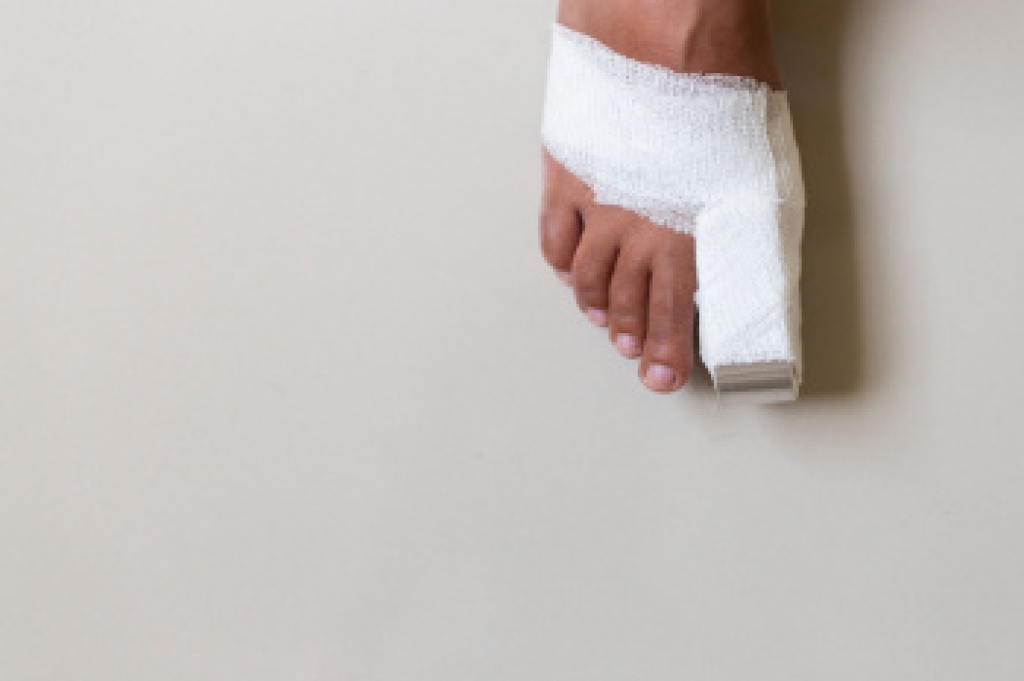
A broken toe may seem minor, but fractures of the toe bones can make running, jumping, and even walking painful. Athletes often feel swelling, bruising, and discomfort when pushing off the ground. Because the toes help with balance and movement, proper healing is important before returning to sports. Treatment depends on how severe the break is. Many toe fractures can heal with rest, taping the injured toe to a neighboring one, and wearing a stiff-soled shoe to protect it. Limiting activity for several weeks allows the bone to recover. Elevation can also help reduce pain and swelling. Surgery may be needed if the bone is out of place, involves the joint, or does not heal correctly. In these cases, small pins or screws may be used to hold the bone in position. A safe return to sports should be gradual and guided by a podiatrist. If you have a toe injury, it is suggested that you see a podiatrist.

A broken toe can be very painful and lead to complications if not properly fixed. If you have any concerns about your feet, contact Nadia Sadeghi, DPM from Lincoln Park Foot and Ankle Specialists. Our doctor will treat your foot and ankle needs.

What to Know About a Broken Toe

Although most people try to avoid foot trauma such as banging, stubbing, or dropping heavy objects on their feet, the unfortunate fact is that it is a common occurrence. Given the fact that toes are positioned in front of the feet, they typically sustain the brunt of such trauma. When trauma occurs to a toe, the result can be a painful break (fracture).

Symptoms of a Broken Toe

  • Throbbing pain
  • Swelling
  • Bruising on the skin and toenail
  • The inability to move the toe
  • Toe appears crooked or disfigured
  • Tingling or numbness in the toe

Generally, it is best to stay off of the injured toe with the affected foot elevated.

Severe toe fractures may be treated with a splint, cast, and in some cases, minor surgery. Due to its position and the pressure it endures with daily activity, future complications can occur if the big toe is not properly treated.

If you have any questions, please feel free to contact our office located in Chicago, IL . We offer the newest diagnostic and treatment technologies for all your foot care needs.
Read more about What to Know About a Broken Toe

Connect With Us

scroll-to-top