Causes of Pain in the Big Toe

Pain in the big toe can develop for many reasons and can make standing, walking, and exercising difficult. One common cause is arthritis, which is inflammation of a joint. Arthritis in the big toe can lead to stiffness, swelling, and pain when bending the toe. Another cause is a bunion, a bony bump that forms at the base of the big toe and gradually changes the position of the joint. Bunions can create pressure inside shoes and cause discomfort when walking. Injuries are another source of big toe pain. Stubbing the toe, dropping a heavy object on it, or twisting the joint can damage bones, ligaments, and other soft tissues. Repeated stress from sports and activities like running can also irritate the toe joint and surrounding structures.

An ingrown toenail is another frequent cause of big toe pain. This problem develops when the edge of the nail grows into the surrounding skin. Symptoms include redness, tenderness, and swelling. Tight shoes can increase pressure on the toe and worsen discomfort. Gout is another condition that commonly affects the big toe joint. Gout develops when crystals form inside the joint and trigger sudden inflammation. This can cause severe pain, warmth, and swelling. Pain beneath the big toe can also occur when small bones under the joint become irritated from repeated pressure and strain.

The cause of big toe pain is not always obvious without a thorough examination. A podiatrist can evaluate the toe, examine joint movement, and determine whether the pain is related to injury, inflammation, or a structural problem. X-rays and other imaging tests can help identify the source of pain. Treatment depends on the cause of the pain and the severity of symptoms. If you have big toe pain, it is suggested that you make an appointment with a podiatrist for an exam and diagnosis.

Toe pain can disrupt your daily activities. If you have any concerns, contact Nadia Sadeghi, DPM of Lincoln Park Foot and Ankle Specialists. Our doctor can provide the care you need to keep you pain-free and on your feet.

What Causes Toe Pain?

Most severe toe pain is caused due to a sports injury, trauma from dropping something heavy on the toe, or bumping into something rigid. Other problems can develop over time for various reasons.

Toe pain can be caused by one or more ailments. The most common include:

  • Trauma
  • Sports injury
  • Wearing shoes that are too tight
  • Arthritis
  • Gout
  • Corns and calluses
  • Hammertoe
  • Bunions
  • Blisters
  • Ingrown toenails
  • Sprains
  • Fractures (broken bones)
  • Dislocations

When to See a Podiatrist

  • Severe pain
  • Persistent pain that lasts more than a week
  • Signs of infection
  • Continued swelling
  • Pain that prevents walking

Diagnosis

In many cases the cause of toe pain is obvious, but in others, a podiatrist may want to use more advanced methods to determine the problem. These can range from simple visual inspections and sensation tests to X-rays and MRI scans. Prior medical history, family medical history, and any recent physical traumatic events will all be taken into consideration for a proper diagnosis.

Treatment

Treatments for toe pain and injuries vary and may include shoe inserts, padding, taping, medicines, injections, and in some cases, surgery. If you believe that you have broken a toe, please see a podiatrist as soon as possible.

If you have any questions please contact our office located in Chicago, IL . We offer the newest diagnostic and treatment technologies for all your foot and ankle needs.

Read more about Toe Pain

Abnormal Gait Patterns Can Lead to Achilles Tendon Injuries

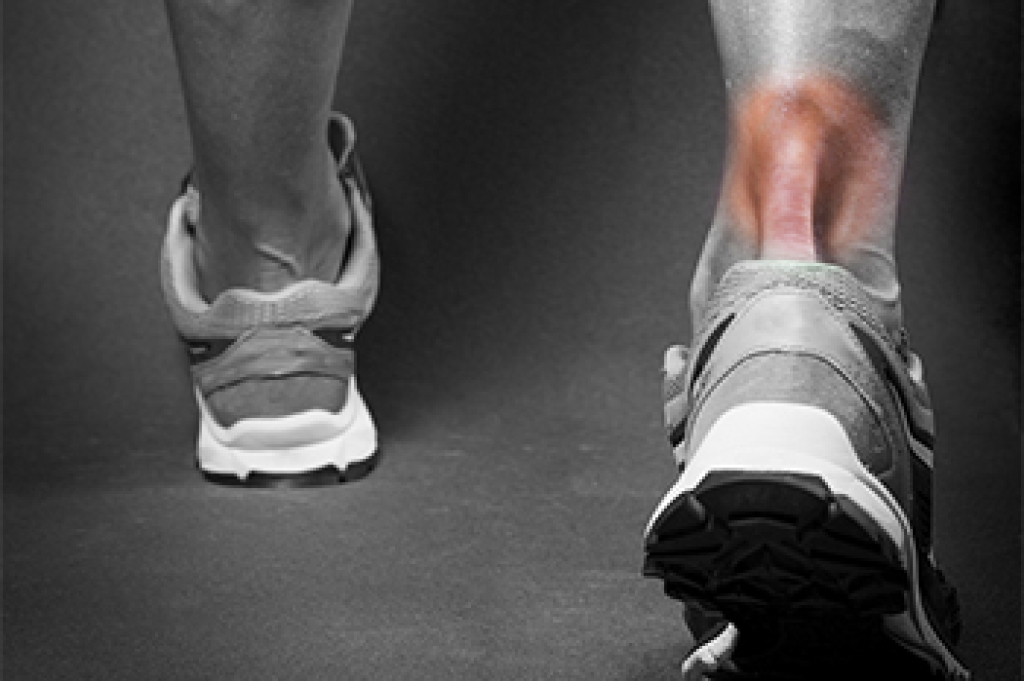
The Achilles tendon is a strong band of tissue that connects the calf muscles to the heel bone. It handles significant force while walking and especially when running. This makes it vulnerable to injury when movement mechanics are abnormal. While most stress travels in a straight upward and downward direction, unusual side-to-side or forward and backward motion can place added strain on the tendon. This may happen when a person changes the way they walk or run. Reasons include pain, weakness, poor recovery, or altered movement patterns after an injury. The Achilles tendon does not respond well to twisting, compression, or abnormal directional stress, which can increase the chance of ongoing irritation or repeat injury. Proper healing after an Achilles problem is important to restore normal movement and reduce unnecessary strain on healing tissue. Identifying abnormal gait patterns can play a key role in prevention and recovery. If you have Achilles pain or concerns after an injury, it is suggested that you visit a podiatrist for evaluation and appropriate treatment solutions.

Achilles tendon injuries need immediate attention to avoid future complications. If you have any concerns, contact Nadia Sadeghi, DPM of Lincoln Park Foot and Ankle Specialists. Our doctor can provide the care you need to keep you pain-free and on your feet.

What Is the Achilles Tendon?

The Achilles tendon is a tendon that connects the lower leg muscles and calf to the heel of the foot. It is the strongest tendon in the human body and is essential for making movement possible. Because this tendon is such an integral part of the body, any injuries to it can create immense difficulties and should immediately be presented to a doctor.

What Are the Symptoms of an Achilles Tendon Injury?

There are various types of injuries that can affect the Achilles tendon. The two most common injuries are Achilles tendinitis and ruptures of the tendon.

Achilles Tendinitis Symptoms

  • Inflammation
  • Dull to severe pain
  • Increased blood flow to the tendon
  • Thickening of the tendon

Rupture Symptoms

  • Extreme pain and swelling in the foot
  • Total immobility

Treatment and Prevention

Achilles tendon injuries are diagnosed by a thorough physical evaluation, which can include an MRI. Treatment involves rest, physical therapy, and in some cases, surgery. However, various preventative measures can be taken to avoid these injuries, such as:

  • Thorough stretching of the tendon before and after exercise
  • Strengthening exercises like calf raises, squats, leg curls, leg extensions, leg raises, lunges, and leg presses

If you have any questions please feel free to contact our office located in Chicago, IL . We offer the newest diagnostic tools and technology to treat your foot and ankle needs.

Read more about The Causes, Types, and Treatments of Achilles Tendon Injuries

How Footwear Can Affect Foot Health

Different shoe styles can place repeated stress on the feet, sometimes leading to painful structural problems, over time. Narrow toe boxes may crowd the toes and contribute to bunions, overlapping toes, hammertoes, and ingrown toenails. High-heeled shoes shift body weight forward, increasing pressure on the front of the foot, and potentially causing nerve irritation, callus formation, and joint pain. Shoes with poor arch support may worsen heel pain, tendon strain, or foot fatigue. Wearing flat, unsupportive footwear can also increase stress on certain muscles and ligaments. These issues are often seen in women because some popular footwear styles place the foot in less natural positions for extended periods of time. A podiatrist can assess how footwear choices may be affecting foot structure, comfort, and walking mechanics, while recommending appropriate solutions. If your shoes are causing ongoing foot pain or visible changes, it is suggested that you visit a podiatrist for an evaluation.

Foot Pain

Foot pain can be extremely painful and debilitating. If you have a foot pain, consult with Nadia Sadeghi, DPM from Lincoln Park Foot and Ankle Specialists. Our doctor will assess your condition and provide you with quality foot and ankle treatment.

Causes

Foot pain is a very broad condition that could be caused by one or more ailments. The most common include:

  • Bunions
  • Hammertoes
  • Plantar Fasciitis
  • Bone Spurs
  • Corns
  • Tarsal Tunnel Syndrome
  • Ingrown Toenails
  • Arthritis (such as Gout, Rheumatoid, and Osteoarthritis)
  • Flat Feet
  • Injury (from stress fractures, broken toe, foot, ankle, Achilles tendon ruptures, and sprains)
  • And more

Diagnosis

To figure out the cause of foot pain, podiatrists utilize several different methods. This can range from simple visual inspections and sensation tests to X-rays and MRI scans. Prior medical history, family medical history, and any recent physical traumatic events will all be taken into consideration for a proper diagnosis.

Treatment

Treatment depends upon the cause of the foot pain. Whether it is resting, staying off the foot, or having surgery; podiatrists have a number of treatment options available for foot pain.

If you have any questions, please feel free to contact our office located in Chicago, IL . We offer the newest diagnostic and treatment technologies for all your foot care needs.

Read more about Foot Pain

Gout Pain Can Be Managed

Gout is a painful, inflammatory form of arthritis. Those affected will typically feel an intense stiffness in the joints of their feet, particularly in the big toe. Schedule a visit to learn about how gout can be managed and treated.

Types and Causes of Flat Feet

Flat feet occur when the arches on the inside of the feet are low or missing, causing the entire sole to touch the ground while standing. Flexible flat feet occur when arches appear while sitting, but flatten while standing. This is most common among children. Flat feet may develop in adults because of injuries, arthritis, or weakened tendons that support the arch. Tightness in the Achilles tendon, which connects the calf muscle to the heel, can affect the arch by placing extra strain on the foot. Flat feet can cause heel pain, ankle pain, tired legs, and discomfort while walking or standing for a long time. A podiatrist can examine the feet and check how a person walks in order to recommend treatment options. These options include custom orthotics, supportive footwear, or stretching exercises. If you have foot pain from having flat feet, it is suggested that you schedule an appointment with a podiatrist for effective relief and management tips.

Flatfoot is a condition many people suffer from. If you have flat feet, contact Nadia Sadeghi, DPM from Lincoln Park Foot and Ankle Specialists. Our doctor will treat your foot and ankle needs.

What Are Flat Feet?

Flatfoot is a condition in which the arch of the foot is depressed and the sole of the foot is almost completely in contact with the ground. About 20-30% of the population generally has flat feet because their arches never formed during growth.

Conditions & Problems:

Having flat feet makes it difficult to run or walk because of the stress placed on the ankles.

Alignment – The general alignment of your legs can be disrupted, because the ankles move inward which can cause major discomfort.

Knees – If you have complications with your knees, flat feet can be a contributor to arthritis in that area.  

Symptoms

  • Pain around the heel or arch area
  • Trouble standing on the tip toe
  • Swelling around the inside of the ankle
  • Flat look to one or both feet
  • Having your shoes feel uneven when worn

Treatment

If you are experiencing pain and stress on the foot you may weaken the posterior tibial tendon, which runs around the inside of the ankle. 

If you have any questions, please feel free to contact our office located in Chicago, IL . We offer the newest diagnostic and treatment technologies for all your foot care needs.

Read more about What is Flexible Flat Foot?

Connect With Us

scroll-to-top