Anterior Tibial Tendonitis Explained

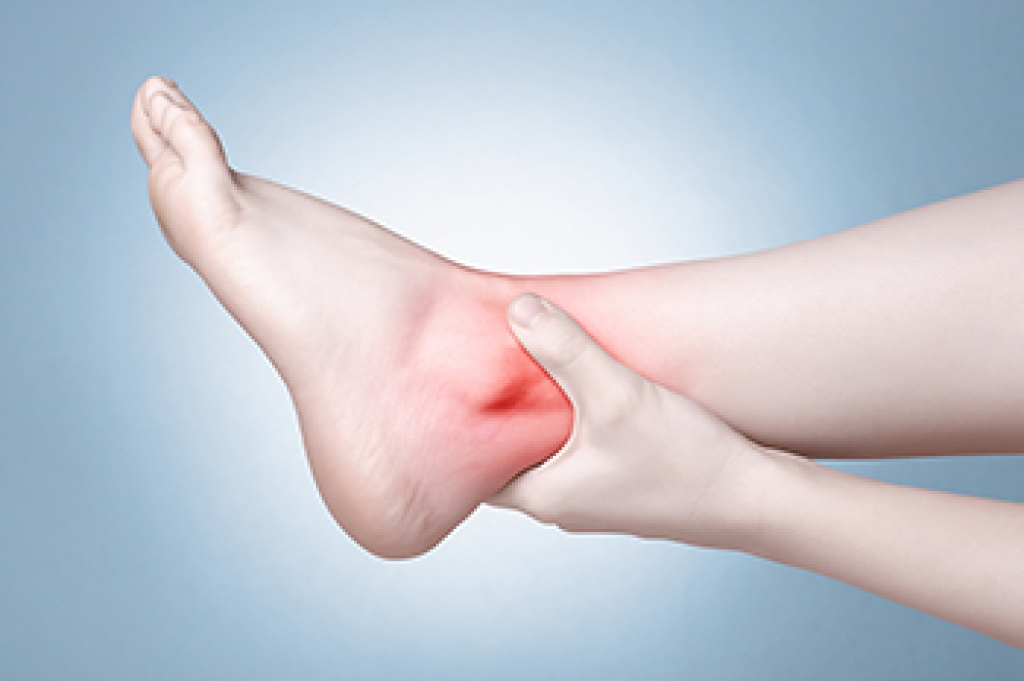
Ankle pain is a common complaint among active individuals and can affect mobility, balance, and daily comfort. It refers to discomfort or inflammation in the joint where the foot meets the leg. One frequent cause of ankle pain is anterior tibial tendonitis, a condition involving irritation of the tendon that runs along the front of the ankle and helps lift the foot. This condition is often linked to repetitive exercises and overuse, especially in runners, walkers, and individuals who increase activity levels too quickly. Understanding this condition can help prevent long-term complications and improve overall foot health.

Anterior tibial tendonitis develops when the tendon becomes inflamed due to repeated stress. Activities such as running on hard surfaces, uphill walking, or high intensity workouts can strain the tendon. Symptoms often include pain along the front of the ankle, swelling, and tenderness. Difficulty lifting the foot can also occur. Some individuals may notice stiffness in the morning or discomfort that worsens with activity. If left untreated, the condition may lead to weakness or reduced range of motion, making everyday movements more difficult.


Risk factors for ankle pain and anterior tibial tendonitis include wearing improper footwear, poor foot alignment, and inadequate warm up routines. Flat feet or high arches can place extra stress on the tendon, increasing the likelihood of injury. Overuse is another major contributor, especially when individuals perform repetitive exercises without allowing proper recovery time. Sudden increases in intensity or duration of activity can also overload the tendon and lead to inflammation. Recognizing these risk factors is essential for prevention and early intervention.


Managing ankle pain involves reducing strain on the affected area and improving overall support. Wearing well-fitted shoes with proper arch support can help stabilize the foot and reduce stress on the tendon. Stretching and strengthening exercises may improve flexibility and resilience. If you have ankle pain, it is suggested that you consult a podiatrist who can accurately diagnose and treat anterior tibial tendonitis.

Ankle pain can be caused by a number of problems and may be potentially serious. If you have ankle pain, consult with Nadia Sadeghi, DPM from Lincoln Park Foot and Ankle Specialists. Our doctor will assess your condition and provide you with quality foot and ankle treatment.

Ankle pain is any condition that causes pain in the ankle. Due to the fact that the ankle consists of tendons, muscles, bones, and ligaments, ankle pain can come from a number of different conditions.

Causes

The most common causes of ankle pain include:

  • Types of arthritis (rheumatoid, osteoarthritis, and gout)
  • Ankle sprains
  • Broken ankles
  • Achilles tendonitis
  • Achilles tendon rupture
  • Stress fractures
  • Bursitis
  • Tarsal tunnel syndrome
  • Plantar fasciitis

Symptoms

Symptoms of ankle injury vary based upon the condition. Pain may include general pain and discomfort, swelling, aching, redness, bruising, burning or stabbing sensations, and/or loss of sensation.

Diagnosis

Due to the wide variety of potential causes of ankle pain, podiatrists will utilize a number of different methods to properly diagnose ankle pain. This can include asking for personal and family medical histories and of any recent injuries. Further diagnosis may include sensation tests, a physical examination, and potentially x-rays or other imaging tests.

Treatment

Just as the range of causes varies widely, so do treatments. Some more common treatments are rest, ice packs, keeping pressure off the foot, orthotics and braces, medication for inflammation and pain, and surgery.

If you have any questions please feel free to contact our office located in Chicago, IL . We offer the newest diagnostic tools and technology to treat your foot and ankle needs.

Read more about Various Causes of Ankle Pain

Reminder: When Was the Last Time...?

Custom orthotics, or shoe inserts, should be periodically replaced. Orthotics must fit properly to give you the best results. Protect your feet and ankles!

Simple Bunion Exercises to Improve Toe Alignment

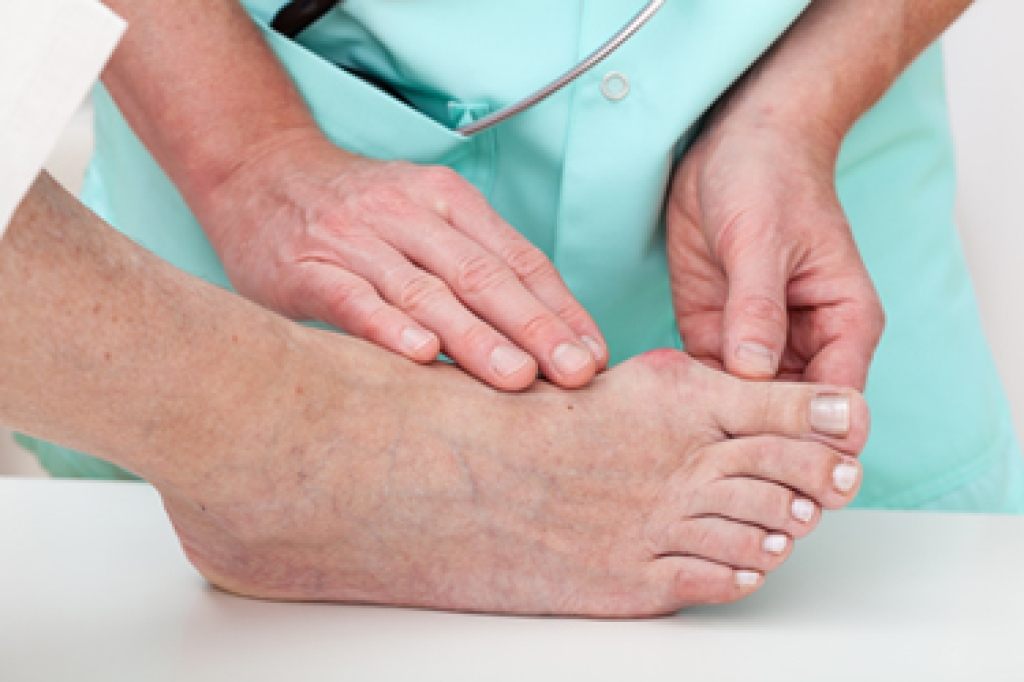
Bunions are a common foot condition that develop when the joint at the base of the big toe becomes enlarged and shifts out of alignment. This creates a visible bump on the side of the foot when the big toe angles toward the other toes. Bunions often result from structural imbalances in the foot, combined with pressure from wearing tight or narrow footwear. This misalignment can lead to discomfort and difficulty with walking. Understanding the definition and causes of bunions can help guide proper care and prevention strategies.

Symptoms of bunions include pain, swelling, redness, and restricted movement in the big toe joint. The skin over the bump may become irritated from friction, especially when wearing ill-fitting shoes. Risk factors include genetics, flat feet, wearing improper footwear, and occupations that require prolonged standing. These factors place stress on the forefoot and contribute to joint misalignment. 


Bunion exercises can play an important role in managing symptoms by helping align, strengthen, and increase range of motion in the big toe. Big toe circles are performed by gently rotating the big toe in slow, controlled circles while seated, which helps improve flexibility and joint mobility. Toe spread-outs involve placing the foot flat on the ground and spreading the toes apart as far as possible, then holding the position briefly to strengthen surrounding muscles. Additionally, toe curl and point exercises require curling the toes inward and then extending them outward, which supports muscle control and coordination in the forefoot.


The benefits of these exercises include improved alignment, reduced stiffness, and enhanced muscle support for the big toe joint. Maintaining foot strength and flexibility is key to overall foot health. If you have bunion pain or changes in toe alignment, it is suggested that you consult a podiatrist for  effective relief and management tips, which may include guidance on additional foot exercises. 

Exercising your feet regularly with the proper foot wear is a great way to prevent injuries and build strength. If you have any concerns about your feet, contact Nadia Sadeghi, DPM from Lincoln Park Foot and Ankle Specialists. Our doctor can provide the care you need to keep you pain-free and on your feet.

Exercise for Your Feet

Exercise for your feet can help you gain strength, mobility and flexibility in your feet. They say that strengthening your feet can be just as rewarding as strengthening another part of the body. Your feet are very important, and we often forget about them in our daily tasks. But it is because of our feet that are we able to get going and do what we need to. For those of us fortunate enough to not have any foot problems, it is an important gesture to take care of them to ensure good health in the long run.

Some foot health exercises can include ankle pumps, tip-toeing, toe rises, lifting off the floor doing reps and sets, and flexing the toes. It is best to speak with Our doctor to determine an appropriate regimen for your needs. Everyone’s needs and bodies are different, and the activities required to maintain strength in the feet vary from individual to individual. 

Once you get into a routine of doing regular exercise, you may notice a difference in your feet and how strong they may become.

If you have any questions, please feel free to contact our office located in Chicago, IL . We offer the newest diagnostic and treatment technologies for all your foot care needs.

Read more about Exercise for Your Feet

Causes of Gymnastic Foot and Ankle Injuries

Gymnastics requires strength, flexibility, balance, and repeated impact on the feet and ankles, making athletes vulnerable to injuries. Foot or ankle injuries from gymnastics can occur from overuse, improper technique, or sudden stress during high-impact movements. Common injuries include ankle sprains and Achilles tendonitis. An ankle sprain happens when ligaments supporting the ankle stretch or tear, often during floor routines, landings, or falls from equipment such as the balance beam or parallel bars. Achilles tendonitis is inflammation of the Achilles tendon, which connects the calf muscles to the heel and often develops from repetitive stress caused by jumping and landing.

Symptoms of an ankle sprain may include pain, swelling, bruising, stiffness, and difficulty putting weight on the affected foot. Some athletes may feel instability or weakness when moving the ankle. Achilles tendonitis symptoms commonly include pain or tenderness along the back of the heel, stiffness in the morning, swelling, and discomfort that worsens during activity. Both conditions can limit performance and may become more severe if ignored. 


Several risk factors increase the chance of gymnastics-related foot and ankle injuries. Repetitive training and sudden increases in activity can place additional stress on joints and tendons. Poor landing mechanics, muscle weakness, and limited flexibility can add to this strain. Wearing improper footwear or training without adequate support may also contribute to injury. Gymnasts can help reduce impact by using footwear with reinforced toes designed to absorb pressure during landing. Proper warm ups, strength training, and flexibility exercises are also important for injury prevention.


Treatment and prevention strategies depend on the type and severity of the injury. Rest, activity modification, wearing supportive footwear, and podiatric guidance can help protect the foot and ankle while promoting recovery. A podiatrist can evaluate movement patterns, identify underlying problems, and recommend appropriate treatment options. If you have a foot or ankle injury from gymnastics, it is suggested that you consult a podiatrist for an accurate diagnosis and appropriate treatment.

Sports related foot and ankle injuries require proper treatment before players can go back to their regular routines. For more information, contact Nadia Sadeghi, DPM of Lincoln Park Foot and Ankle Specialists. Our doctor can provide the care you need to keep you pain-free and on your feet.

Sports Related Foot and Ankle Injuries

Foot and ankle injuries are a common occurrence when it comes to athletes of any sport. While many athletes dismiss the initial aches and pains, the truth is that ignoring potential foot and ankle injuries can lead to serious problems. As athletes continue to place pressure and strain the area further, a mild injury can turn into something as serious as a rupture and may lead to a permanent disability. There are many factors that contribute to sports related foot and ankle injuries, which include failure to warm up properly, not providing support or wearing bad footwear. Common injuries and conditions athletes face, including:

  • Plantar Fasciitis
  • Achilles Tendinitis
  • Achilles Tendon Rupture
  • Ankle Sprains

Sports related injuries are commonly treated using the RICE method. This includes rest, applying ice to the injured area, compression and elevating the ankle. More serious sprains and injuries may require surgery, which could include arthroscopic and reconstructive surgery. Rehabilitation and therapy may also be required in order to get any recovering athlete to become fully functional again. Any unusual aches and pains an athlete sustains must be evaluated by a licensed, reputable medical professional.

If you have any questions please contact our office located in Chicago, IL . We offer the newest diagnostic and treatment technologies for all your foot and ankle needs.

Read more about Sports Related Foot And Ankle Injuries

How Foot Mechanics Affect Movement

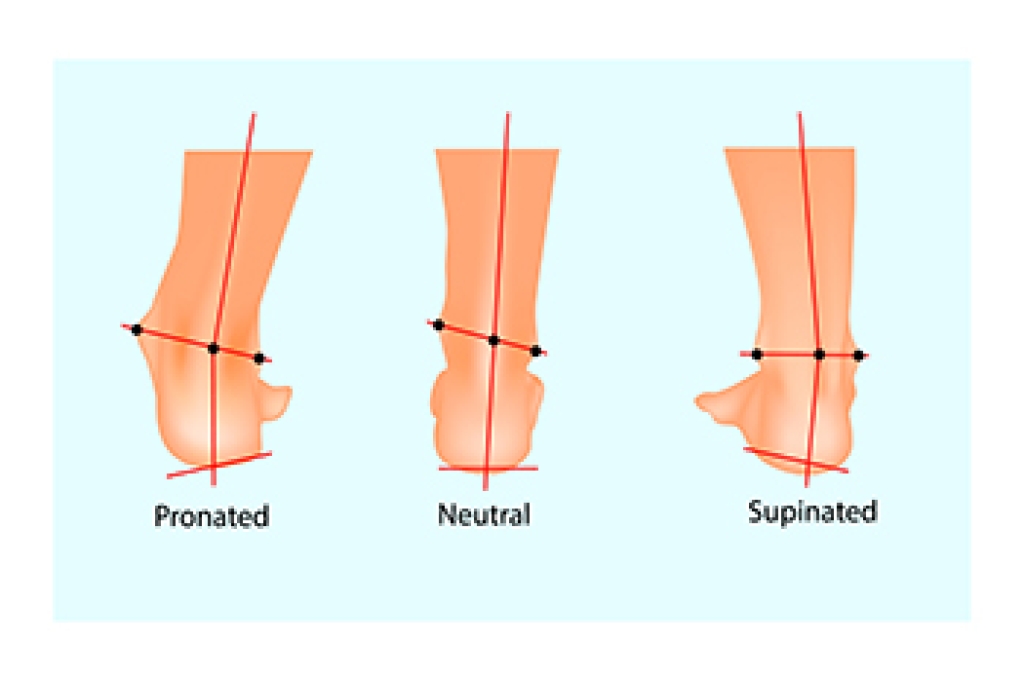
Supination and pronation are natural movements of the feet that occur during walking and running. Pronation refers to the inward rolling of the foot as it strikes the ground, helping absorb shock and distribute weight. Supination, also known as under-pronation, is the outward rolling of the foot, which places more pressure on the outer edge. Both motions are essential for balance and efficient movement. However, when either becomes excessive, it can lead to poor biomechanics and increased strain on the feet, ankles, and lower limbs.

Symptoms of excessive pronation often include flat foot posture, inward ankle rolling, and pain along the arch or inner ankle. Individuals may also experience knee or hip discomfort due to misalignment. Excessive supination typically presents with high arches, limited shock absorption, and pain along the outer edge of the foot or ankle. Repeated stress can lead to conditions such as ankle instability, stress fractures, or tendon irritation. These symptoms can worsen over time without proper support or correction.


Several risk factors contribute to abnormal foot mechanics. Genetics play a significant role, as inherited foot structure can influence arch height and alignment. Wearing incorrect footwear that lacks support or cushioning can worsen both pronation and supination. Bodily misalignment, including uneven leg length or poor posture, can also affect how weight is distributed through the feet. High impact activities and prolonged standing may increase stress on already imbalanced foot structures, leading to discomfort and injury.


Managing excessive supination or pronation involves improving support and correcting alignment. Wearing properly fitted, supportive footwear is essential for maintaining stability and reducing strain. Custom orthotics can help guide the foot into a more neutral position and improve overall biomechanics. Strengthening and stretching exercises may also support better movement patterns. If excessive supination or pronation of the feet is affecting your comfort or mobility, it is suggested that you consult a podiatrist for effective relief and management tips.

If you have any concerns about your feet, contact Nadia Sadeghi, DPM from Lincoln Park Foot and Ankle Specialists. Our doctor can provide the care you need to keep you pain-free and on your feet.

Biomechanics in Podiatry

Podiatric biomechanics is a particular sector of specialty podiatry with licensed practitioners who are trained to diagnose and treat conditions affecting the foot, ankle and lower leg. Biomechanics deals with the forces that act against the body, causing an interference with the biological structures. It focuses on the movement of the ankle, the foot and the forces that interact with them.

A History of Biomechanics

  • Biomechanics dates back to the BC era in Egypt where evidence of professional foot care has been recorded.
  • In 1974, biomechanics gained a higher profile from the studies of Merton Root, who claimed that by changing or controlling the forces between the ankle and the foot, corrections or conditions could be implemented to gain strength and coordination in the area.

Modern technological improvements are based on past theories and therapeutic processes that provide a better understanding of podiatric concepts for biomechanics. Computers can provide accurate information about the forces and patterns of the feet and lower legs.

Understanding biomechanics of the feet can help improve and eliminate pain, stopping further stress to the foot.

If you have any questions please feel free to contact our office located in Chicago, IL . We offer the newest diagnostic and treatment technologies for all your foot and ankle needs.

Read more about Biomechanics in Podiatry

Connect With Us

scroll-to-top