
If left untreated, an ingrown toenail can lead to more serious concerns, such as an infection. Knowing proper nail care can help in the prevention of an ingrown toenail. Give us a call, and get treated!
If left untreated, an ingrown toenail can lead to more serious concerns, such as an infection. Knowing proper nail care can help in the prevention of an ingrown toenail. Give us a call, and get treated!

Peeling skin between the toes can happen for many reasons. The symptoms may range from mild flaking to painful cracks. A common cause is a fungal infection often called athlete’s foot. This problem develops in warm, damp places and may lead to itching, burning, scaling, and odor. Skin irritation from materials or chemicals in shoes may trigger a rash, blisters, or tenderness between the toes. Some people develop small itchy blisters that later dry and peel as part of a recurring skin condition. Dry skin, especially in colder weather or after long periods of moisture exposure, can weaken the skin and lead to cracking and flaking. A podiatrist can examine the feet, identify the cause of the peeling skin between the toes, and provide the proper medical treatment. If the skin between your toes is peeling, it is suggested that you make an appointment with a podiatrist for an exam, diagnosis, and treatment.
Everyday foot care is very important to prevent infection and other foot ailments. If you need your feet checked, contact Nadia Sadeghi, DPM from Lincoln Park Foot and Ankle Specialists. Our doctor can provide the care you need to keep you pain-free and on your feet.
Everyday Foot Care
Often, people take care of their bodies, face and hair more so than they do for their feet. But the feet are a very important aspect of our bodies, and one that we should pay more attention to. Without our feet, we would not be able to perform most daily tasks.
It is best to check your feet regularly to make sure there are no new bruises or cuts that you may not have noticed before. For dry feet, moisturizer can easily be a remedy and can be applied as often as necessary to the affected areas. Wearing shoes that fit well can also help you maintain good foot health, as well as making it easier to walk and do daily activities without the stress or pain of ill-fitting shoes, high heels, or even flip flops. Wearing clean socks with closed shoes is important to ensure that sweat and bacteria do not accumulate within the shoe. Clean socks help to prevent Athlete’s foot, fungi problems, bad odors, and can absorb sweat.
If you have any questions, please feel free to contact our office located in Chicago, IL . We offer the newest diagnostic and treatment technologies for all your foot care needs.
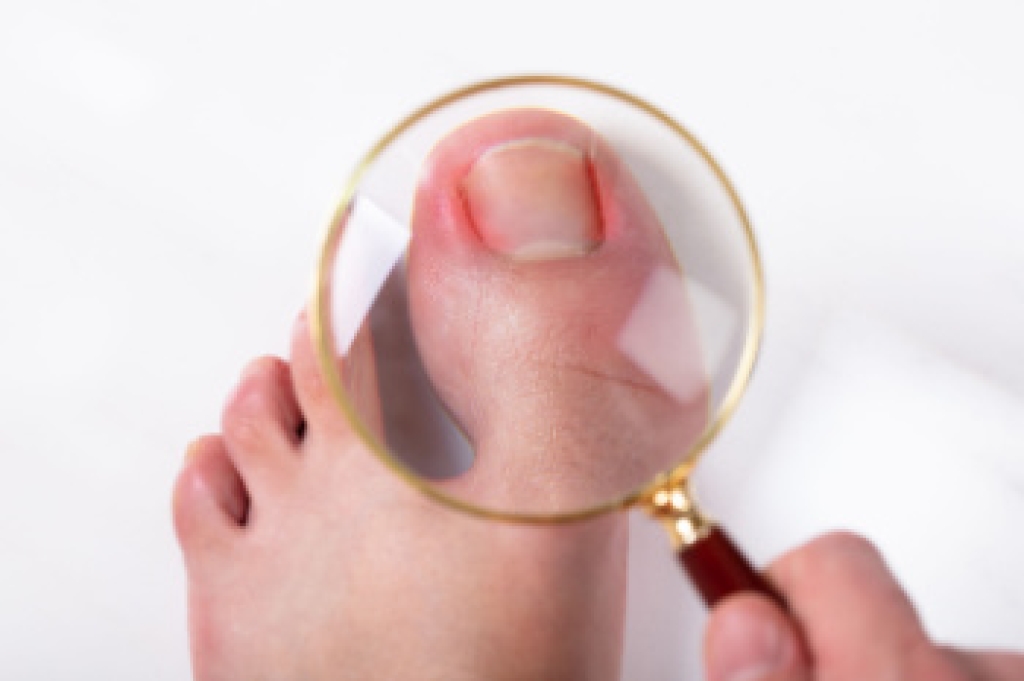
An ingrown toenail is defined as the edge of a toenail growing into the surrounding skin, which leads to irritation and inflammation. This condition most often affects the big toe and can become painful if left untreated. Causes include improper nail trimming, wearing tight fitting shoes, repetitive pressure on the toes, or injury to the nail. Symptoms include redness, swelling, tenderness, and discomfort along the nail border, sometimes accompanied by infection. Among the risk factors are curved nail growth, excessive sweating, poor foot hygiene, and repeated toe trauma. A podiatrist can safely treat ingrown toenails, relieve pain, and prevent infection through professional care. If you have toe pain or if swelling develops, it is suggested that you consult a podiatrist who can effectively treat ingrown toenails.
Ingrown toenails may initially present themselves as a minor discomfort, but they may progress into an infection in the skin without proper treatment. For more information about ingrown toenails, contact Nadia Sadeghi, DPM of Lincoln Park Foot and Ankle Specialists. Our doctor can provide the care you need to keep you pain-free and on your feet.
Ingrown Toenails
Ingrown toenails are caused when the corner or side of a toenail grows into the soft flesh surrounding it. They often result in redness, swelling, pain, and in some cases, infection. This condition typically affects the big toe and may recur if it is not treated properly.
Causes
You are more likely to develop an ingrown toenail if you are obese, have diabetes, arthritis, or have any fungal infection in your nails. Additionally, people who have foot or toe deformities are at a higher risk of developing an ingrown toenail.
Symptoms
Some symptoms of ingrown toenails are redness, swelling, and pain. In rare cases, there may be a yellowish drainage coming from the nail.
Treatment
Ignoring an ingrown toenail can have serious complications. Infections of the nail border can progress to a deeper soft-tissue infection, which can then turn into a bone infection. You should always speak with your podiatrist if you suspect you have an ingrown toenail, especially if you have diabetes or poor circulation.
If you have any questions, please feel free to contact our office located in Chicago, IL . We offer the newest diagnostic and treatment technologies for all your foot care needs.

Discomfort in the smaller toes often develops because of underlying structural imbalance in the front portion of the foot. The bones in this region are small, yet they carry significant body weight during walking and standing. When alignment shifts, pressure becomes uneven across the metatarsal heads and toe joints. This imbalance can lead to joint inflammation, nerve irritation, and soft tissue strain. Wearing tight-fitting shoes, long-term biomechanical instability, and high-arched or flat-foot structure may increase stress on these delicate joints. Tendon dysfunction can also alter toe position, creating abnormal bending and increased friction against footwear. Over time, callus formation, joint stiffness, and persistent soreness may occur. A detailed examination, including weight-bearing assessment and gait evaluation, helps identify the exact pain source. Early, structure-focused treatment may prevent worsening deformity and chronic discomfort. If you are experiencing ongoing pain in the smaller toes, it is suggested that you see a podiatrist for a proper diagnosis and appropriate treatment.
Toe pain can disrupt your daily activities. If you have any concerns, contact Nadia Sadeghi, DPM of Lincoln Park Foot and Ankle Specialists. Our doctor can provide the care you need to keep you pain-free and on your feet.
What Causes Toe Pain?
Most severe toe pain is caused due to a sports injury, trauma from dropping something heavy on the toe, or bumping into something rigid. Other problems can develop over time for various reasons.
Toe pain can be caused by one or more ailments. The most common include:
When to See a Podiatrist
Diagnosis
In many cases the cause of toe pain is obvious, but in others, a podiatrist may want to use more advanced methods to determine the problem. These can range from simple visual inspections and sensation tests to X-rays and MRI scans. Prior medical history, family medical history, and any recent physical traumatic events will all be taken into consideration for a proper diagnosis.
Treatment
Treatments for toe pain and injuries vary and may include shoe inserts, padding, taping, medicines, injections, and in some cases, surgery. If you believe that you have broken a toe, please see a podiatrist as soon as possible.
If you have any questions please contact our office located in Chicago, IL . We offer the newest diagnostic and treatment technologies for all your foot and ankle needs.

Gentle exercises can help maintain strength, flexibility, and circulation in the toes, feet, and ankles, especially if you spend a lot of time sitting or notice stiffness when walking. For the toes, try towel scrunches by placing a towel on the floor and using your toes to pull it toward you, which helps activate small stabilizing muscles. For the feet, seated arch lifts are helpful. With feet flat on the floor, gently raise the arch while keeping toes and heel down, then relax. This supports foot alignment and control. For the ankles, ankle circles are an easy option. Slowly rotate the ankle in one direction, then reverse, focusing on smooth movement. These simple exercises can support comfort and balance, but persistent pain or stiffness should be evaluated. If you have foot pain, it is suggested that you consult a podiatrist who can treat various foot and ankle conditions, and guide you on additional foot stretches, tailored to your needs.
Stretching the feet is a great way to prevent injuries. If you have any concerns with your feet consult with Nadia Sadeghi, DPM from Lincoln Park Foot and Ankle Specialists. Our doctor will assess your condition and provide you with quality foot and ankle treatment.
Stretching the Feet
Being the backbone of the body, the feet carry your entire weight and can easily become overexerted, causing cramps and pain. As with any body part, stretching your feet can serve many benefits. From increasing flexibility to even providing some pain relief, be sure to give your feet a stretch from time to time. This is especially important for athletes or anyone performing aerobic exercises, but anyone experiencing foot pain or is on their feet constantly should also engage in this practice.
Great ways to stretch your feet:
Individuals who tend to their feet by regular stretching every day should be able to minimize foot pain and prevent new problems from arising.
If you have any questions please contact our office located in Chicago, IL . We offer the newest diagnostic and treatment technologies for all your foot and ankle needs.
Connect With Us
